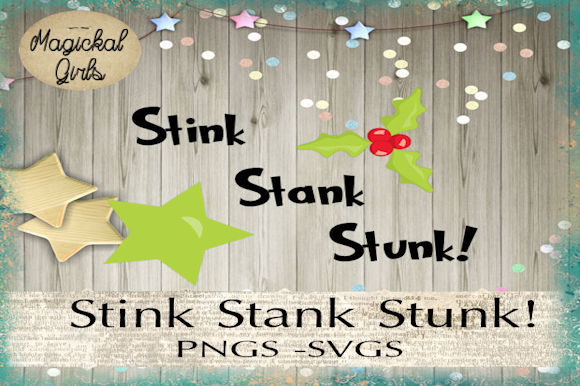
Stink, Stank, Stunk: A Festive Embroidery Design Review
As an experienced embroidery designer and product reviewer, I always approach a new digital design with a critical eye. It’s not just about how it looks on screen — it’s about how it will translate into real-world stitching across a variety of materials and applications. That brings me to Stink, Stank, Stunk, a cute Christmas quote that promises versatility for everything from kids’ shirts to wall art. Let’s take a closer look at what this machine embroidery design is really made of.
First Impressions: The Mood and Visual Language
The name alone sets a playful tone — “Stink, Stank, Stunk” is a clever twist on language that feels both cheeky and whimsical. As a holiday-themed design, it leans into the festive yet humorous side of Christmas, which could be a hit in certain markets. Visually, the layout appears balanced, with clear typography that suggests readability after stitching. The use of lettering and spacing gives it a casual vibe, perfect for adding personality to handmade products or custom apparel.
I noticed the design includes some decorative elements, likely using a combination of satin stitch and fill stitch. These details add charm without overwhelming the overall composition. The theme seems intentionally simple but effective, making it suitable for a wide range of projects where a touch of humor and seasonal cheer are welcome.
Who This Design Appeals To
Stink, Stank, Stunk has a natural fit in the crafts category, especially for graphics used in children's items, tote bags, and personalized gifts. If you're an Etsy seller or part of a small shop looking to offer something different during the holiday season, this design can stand out in a sea of traditional snowflakes and reindeer. Its visual style also aligns well with boutique branding or craft fair products that emphasize creativity and fun.
Real-World Application: How It Performs in Projects
Let’s imagine preparing a custom embroidered sweatshirt for a family gift. You select Stink, Stank, Stunk as the main feature, paired with some subtle poinsettia or snowball motifs. The design’s layout allows for easy placement on the chest area, and its moderate size means it won’t dominate unless intended. On a cotton blend sweatshirt, the stitches should hold up well, especially if you use a light stabilizer underneath.
- Tote Bag Embellishment: The design works beautifully on tote bags, especially those with a plain background. Its boldness ensures visibility, while the detail level remains manageable even on thicker canvas fabric.
- Baby Items: For baby clothes or nursery decor, this design may be too mature or quirky depending on your target audience. But if you’re going for a modern, irreverent style, it could be a conversation starter.
- Patches and Caps: While the design isn’t overly complex, curved surfaces like caps require careful alignment. Patches stitched onto felt or denim could work, but consider the hoop size and stitch density before finalizing production.
- Commercial Use: As a digital embroidery file, it shows promise for commercial embroidery projects. However, since the listing doesn't specify licensing terms, it's crucial to confirm whether reselling finished products is permitted.
Design Strengths in Action
This design enhances the visual appeal of any project by bringing a sense of humor and lightheartedness. When applied to a tote bag or sweatshirt, it becomes more than just decoration — it tells a story. Customers might find it amusing or endearing, especially if they appreciate pop culture references or wordplay. In the right context, it adds value and uniqueness to your handmade product, helping to build customer trust through quality and attention to detail.
For Etsy sellers and small shop owners, designs like Stink, Stank, Stunk can boost buyer engagement. They create a memorable presentation that stands apart from generic holiday graphics. Whether it's for a personalized gift or a boutique merchandise item, this design can elevate your offerings and help maintain brand consistency if used appropriately.
Where to Use It With Caution
Despite its charm, Stink, Stank, Stunk isn’t a one-size-fits-all solution. Here are some scenarios where you’ll want to tread carefully:
- Small Hoop Sizes: If you plan to use this design in a tiny hoop (like for patches), you may need to simplify or resize parts of it. Check the stitch count if available — without that info, test on scrap fabric first.
- Textured Fabrics: The fine lines and curves in the design may lose clarity on fabrics like corduroy or flannel. Consider adjusting the stitch type or reducing density to avoid distortion.
- Stretchy or Thin Fabrics: Stretchy materials can cause misalignment or puckering. Always use proper backing and secure seams around the design area.
- Dense Stitch Areas: If the design uses tight satin or fill stitches, it could become stiff on garments. Opt for lighter-weight thread colors and less dense stitch settings when appropriate.
- Dark Fabric Backgrounds: Thread color contrast is key. Without knowing the exact number of thread colors included, it's hard to say how visible the design will be on darker backgrounds. Try a black-and-white mockup to visualize potential issues.
- Frequent Wash Use: For items like tea towels or aprons, durability matters. Test the design on a sample that will go through multiple wash cycles to ensure it holds up over time.
Designer Notes: Best Practices
If you're considering using Stink, Stank, Stunk in your next project, here are a few practical tips based on my experience:
- Always test the design on a scrap piece of your intended fabric before moving to production. This helps catch issues with stitch flow or fabric texture early.
- Review the stitch density. If the design includes detailed corners or intricate shapes, adjust the tension to prevent fraying or distortion.
- Confirm the hoop size required. Some digital files work best within specific dimensions, and resizing can affect stitch integrity.
- Inspect the thread color options. A lack of contrast on dark fabrics can make the design appear flat or invisible. Choose wisely!
- Use a printable mockup to preview how the design looks on different product types — this is especially helpful for digital product previews or online listings.
- Before selling any finished items or offering the design as a digital asset, double-check the licensing agreement. Many free or low-cost designs come with restrictions.
Final Thoughts: Is It Worth Adding to Your Kit?
Stink, Stank, Stunk has a distinct personality that makes it memorable. It’s not your typical holiday embroidery — instead, it offers a fresh angle on festive cheer. If you're aiming to create something unique for your customers or personal collection, this design can deliver a strong visual impact.
However, its effectiveness depends heavily on context. Used thoughtfully, it can enhance the professionalism of your embroidery project and improve buyer recognition. But in the wrong setting — say, on a minimalist baby onesie or a high-end fashion piece — it might clash with the overall aesthetic.
In short, this machine embroidery design shines in casual, creative environments where humor and holiday spirit are valued. Just remember to adapt it to your specific needs and always verify compatibility with your materials and market expectations.