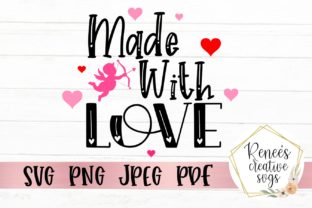
Made with Love Quote Embroidery Review
As a designer who spends more time looking at stitch lines than actual finished garments, I approach every new digital asset with a mix of hope and skepticism. The market is flooded with generic text-based embroidery files, so finding one that actually translates well from screen to fabric is rare. I recently put the Made with Love Quote design through its paces to see if it holds up in real-world production environments. This isn’t just about how pretty it looks in a preview window; it’s about whether this embroidery project will survive the hoop, the tension adjustments, and most importantly, the customer’s washing machine.
First Impressions and Visual Personality
The moment you load the Made with Love Quote into your digitizing software, the layout strikes a balance between casual warmth and structured clarity. The phrase itself carries an inherent emotional weight—it suggests care, intention, and a personal touch. For anyone running a craft business or selling on platforms like Etsy, that emotional hook is invaluable. It transforms a simple piece of clothing into a statement of affection.
Visually, the design feels clean. There is no cluttered ornamentation fighting for attention against the lettering. This minimalism is crucial for machine embroidery because it reduces the risk of thread breaks and ensures that the typography remains legible after stitching. The visual personality leans towards boutique-friendly aesthetics. It doesn’t scream "mass-produced"; instead, it whispers "handmade." This makes it incredibly versatile for custom apparel, whether you are creating items for a local craft fair or building a brand identity for an online shop.
Real-World Application: The Tote Bag Test
To truly evaluate this machine embroidery design, I decided to apply it to a scenario that tests both durability and aesthetic appeal: a custom embroidered tote bag. Tote bags are a staple for Etsy sellers and small shop owners, but they present unique challenges. The canvas fabric can be thick, and the surface area often curves slightly when held.
I placed the Made with Love Quote near the top center of a sturdy cotton-canvas tote. Because the design relies on clear letterforms rather than complex pictorial elements, it anchored beautifully on the textured fabric. The contrast between the thread colors and the natural canvas tone was striking. However, this placement highlighted a critical consideration for any embroidery file creator or user: background color matters immensely. On lighter fabrics, the negative space within the letters (if applicable) might get lost if the thread color lacks sufficient contrast. I found that using a dark charcoal or navy thread on a beige canvas made the quote pop, whereas white thread on light linen required careful tension tuning to avoid visibility issues.
Performance on Apparel and Baby Items
Beyond totes, this design shines in the realm of personalized gifts. I tested the layout on a baby onesie and a soft sweatshirt. For baby embroidery, the simplicity of the quote is a major advantage. Intricate designs can sometimes feel overwhelming or even uncomfortable against sensitive skin if the backing stabilizer isn't removed properly. The Made with Love Quote allows for a lighter touch in terms of stitch density, making it ideal for delicate fabrics.
On a sweatshirt, the design works exceptionally well as a chest logo or a centered back print. It fits the current trend of minimalist streetwear and cozy home aesthetics. When paired with a high-quality fleece, the texture of the stitches adds a tactile dimension that printed decals simply cannot match. This is where the value of a physical finished product becomes evident—customers can feel the quality, which builds trust and justifies a higher price point.
Where to Exercise Caution
No single design is perfect for every situation. While Made with Love Quote is robust, there are specific scenarios where you need to be careful. First, avoid placing this on highly textured fabrics like heavy bouclé or rough burlap unless you have significant experience with stabilizers. The uneven surface can cause puckering or misalignment of the stitches.
Second, consider the hoop size limitations. If you are working with a smaller 4x4 inch hoop, ensure the width of the quote fits comfortably without being cramped. Tight spacing can lead to thread collisions, especially if the design includes decorative accents or varying font weights. Additionally, be cautious when embroidering on stretchy knits without proper tear-away or cut-away stabilizer support. Stretch fabrics can distort the shape of the letters, turning a crisp message into a wavy, unreadable blob.
Another area requiring attention is dark fabric. If you plan to use light-colored threads, pre-test your setup. Dark backgrounds often require underlay stitches to prevent the base fabric from showing through the top layer. Skipping this step can result in a patchy, unprofessional look that undermines the quality of your commercial embroidery work.
Practical Designer Notes for Production
If you are integrating this digital embroidery file into your workflow, here are some essential steps to ensure success:
- Test on Scrap Fabric: Never run a new design directly onto your final product. Use a scrap piece of the same material to check tension, thread behavior, and overall appearance.
- Check Thread Color Contrast: Hold your thread spools up to the fabric before starting. Ensure there is enough contrast for the text to be readable. This is particularly important for embroidered patches that may be sewn onto various colored garments.
- Review Stitch Density: Look closely at the digitization. Are the fill stitch areas too dense? Excessive density can make the fabric stiff and prone to breaking the needle. Conversely, sparse stitching may not cover the fabric adequately.
- Inspect Small Details: If the design includes thin lines or small decorative elements, zoom in during digitizing review. These details are the first to get lost or tangled during the embroidery process.
- Use Proper Stabilizer: Match your stabilizer to your fabric type. Woven fabrics often benefit from tear-away stabilizer, while knits require cut-away for long-term stability.
- Black and White Mockups: Convert your design to black and white in your software to check the balance of positive and negative space. This helps identify areas that might look cluttered once stitched.
Value for Craft Business Owners
For small shop product creators, the Made with Love Quote offers strong commercial potential. It is versatile enough to be used on kitchen towels, pillow covers, and holiday gifts, expanding your inventory options without needing multiple new designs. The universal appeal of the phrase means it resonates across demographics, from young parents to home decorators.
However, always confirm licensing terms before selling finished items. While the product description indicates you can create clothing, decals, signs, and mugs, it is vital to verify if the license permits commercial use of the finished goods. Assuming rights without confirmation can lead to legal issues down the line. Once cleared, this design serves as a reliable asset for generating printable mockups and showcasing your craftsmanship to potential buyers.
Final Verdict
The Made with Love Quote is a solid addition to any designer’s library. It balances aesthetic charm with technical feasibility, making it suitable for a wide range of embroidery projects. Whether you are a hobbyist making a heartfelt gift or a professional decorator fulfilling a bulk order, this design delivers on its promise of warmth and quality. Just remember: the best embroidery comes from careful preparation. Test thoroughly, choose your materials wisely, and let the quality of your stitching speak for itself.