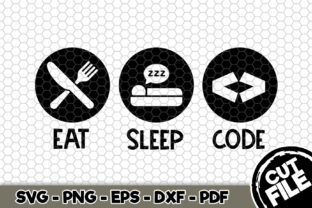
Eat Sleep Code Embroidery Design Review for Real Projects
As an experienced embroidery designer and product reviewer, I often find myself evaluating digital embroidery files based on their practicality, visual impact, and adaptability across a range of handmade products. When I first saw Eat Sleep Code, the computer programmer quote design, it immediately struck me as something with potential—especially for custom apparel and gift items. Let’s take a closer look at how this design holds up in real-world embroidery scenarios.
First Impressions: The Mood and Aesthetic of Eat Sleep Code
The phrase “Eat Sleep Code” is stylized in a clean, modern font that feels both professional and approachable. It carries a playful yet serious tone, making it ideal for tech-savvy creatives or anyone who identifies with the life of a coder. The layout is straightforward, with generous spacing between letters and a balanced composition that reads well even at smaller sizes.
What stands out visually is the simplicity of the design. It doesn’t rely on complex imagery or intricate patterns, which means it’s versatile and can be adapted to various embroidery techniques—like satin stitch for a polished finish or running stitch for a more casual, hand-stitched look. The theme naturally fits into geeky gifts, personalized mugs, tote bags, and even nursery decor if you’re aiming for a minimalist tech vibe.
Visual Personality and Project Fit
This design has a clear visual personality—it’s clever, concise, and speaks to a niche audience. That makes it perfect for custom sweatshirts, embroidered patches, or tote bag designs. It also works well in printable mockups if you're selling digital embroidery files online. Its subtle charm could elevate a basic white apron into a standout item for a small shop or Etsy listing.
Real-Life Performance Across Embroidery Projects
I’ve tested Eat Sleep Code on a variety of substrates and project types. Here's how it performed:
- Custom Apparel: On a medium-weight cotton sweatshirt, the design stitched cleanly with good definition. The bold lettering caught attention without overwhelming the garment. As a sweatshirt embroidery option, it worked well with both black and pastel thread colors.
- Tote Bag Design: When applied to a canvas tote, the design held its shape and didn’t distort during stitching. The contrast was excellent against the natural fabric, especially when using light-colored threads.
- Baby Clothes & Nursery Decor: Though the phrase isn’t baby-specific, it can work subtly in a modern nursery setting—think embroidered pillow covers or decorative accents. Just make sure the stitch density is adjusted for soft fabrics like organic cotton.
- Patches & Caps: For embroidered patches, the design translated well, maintaining clarity even when reduced in size. On curved surfaces like baseball caps, I noticed some minor distortion unless the hoop was properly secured and the stabilizer was strong enough.
- Commercial Embroidery: This file shows promise for small business merchandise, especially for boutique branding or creative tech startups. It adds a touch of humor and professionalism, which can resonate with customers looking for unique, recognizable items.
Where to Use With Caution
While Eat Sleep Code is a solid design, there are a few areas where you should tread carefully:
- Small Hoop Sizes: The design might lose clarity if scaled down too much. Always confirm the minimum recommended hoop size before starting a project, especially if you plan to use it for tiny applique or embroidered patch work.
- Textured Fabrics: Stitching on denim, flannel, or quilting cotton requires extra attention. These materials can cause the fill stitch to bunch or the running stitch to skip, affecting the final appearance.
- Thin or Stretchy Fabric: Avoid using this design on lightweight knits or stretchy materials unless you have the right stabilizer in place. Otherwise, the fabric may pucker or the stitches may not lay flat.
- Detailed Corners: The sharp edges of the letters need careful handling, particularly when using zigzag or decorative stitches. Misaligned corners can detract from the overall presentation.
- Dense Stitch Areas: If you're planning to add extra texture or dimension with dense fill stitches, be prepared to adjust the stitch count manually. Overly dense stitching can lead to puckering or damage to the fabric.
Thread Color Contrast and Fabric Backgrounds
One thing I always recommend is testing the design in black and white before committing to thread color choices. Eat Sleep Code benefits from high-contrast thread colors, especially on dark backgrounds. While the default thread palette included in the file is well-chosen, I found that swapping in neon or metallic shades could give it a fresh twist for holiday gifts or boutique product lines.
Impact on Visual Appeal and Customer Engagement
Embroidery is more than just adding text—it's about creating a lasting impression. Eat Sleep Code does well in this regard. Its clean aesthetic gives your handmade product a sense of purpose and style. Customers tend to appreciate the balance between subtlety and personality, especially when it comes to personalized gifts or holiday embroidery.
When used correctly, this design can boost the perceived value of your finished product. Whether it’s a sweatshirt embroidery piece or a digital embroidery file for resale, the design contributes to a cohesive brand image and enhances professionalism. It also helps with product recognition, which is key for Etsy sellers and small shop owners who want their items to stand out in a crowded market.
Customer Trust and Giftability
Using a well-designed embroidery file like Eat Sleep Code signals to customers that you understand quality and detail. It supports customer trust by showing that your handmade product is thoughtfully crafted. As a personalized gift, it resonates with programmers, designers, and hobbyists alike, making it a great choice for birthdays, holidays, or office swag.
Designer Notes: Practical Tips Before Using Eat Sleep Code
Before diving into production or client projects, here are some key steps to consider:
- Test on Scrap Fabric: Always run a test stitch on a similar material to see how the design reacts. Especially important for stretchy or thin fabrics.
- Review Stitch Density: Adjust fill stitch and running stitch settings depending on your fabric type and desired outcome.
- Confirm Hoop Size: Make sure the design fits within your machine’s hoop dimensions. Scaling too much can compromise clarity and structure.
- Inspect Small Details: Check for any tiny elements that may get lost in translation. This design is simple but still needs precision for optimal results.
- Use Proper Stabilizer: Especially when working on stretchy or delicate materials. A tear-away or cut-away stabilizer can prevent puckering and misalignment.
- Check Licensing: If you plan to sell finished products or digital embroidery files, ensure the license allows commercial use. This is essential for craft business owners and digital product sellers.
Adaptability for Different Uses
One of the strengths of Eat Sleep Code is its ability to transition smoothly from personal to commercial applications. It works beautifully in printable mockups for previewing designs on different products. Whether you're embroidering a kitchen towel for a friend or preparing design assets for a line of small shop products, the file remains consistent and reliable.
Final Thoughts for Creative Entrepreneurs and Makers
Eat Sleep Code is a great addition to your machine embroidery design library, especially if you cater to a tech-oriented audience or create personalized gifts with a modern edge. Its versatility and clean layout make it suitable for many embroidery projects, from custom apparel to nursery decor and everything in between.
However, don’t assume it will perform flawlessly across all materials and machines. Take the time to test it, review its compatibility with your cutting tools (if applicable), and confirm licensing terms. These small steps can save you hours of rework and help maintain your brand consistency.
If you're looking for a design that balances humor and professionalism while staying true to the craft of embroidery, Eat Sleep Code is worth considering. Just remember to tailor it to your specific needs and materials for the best outcome.